
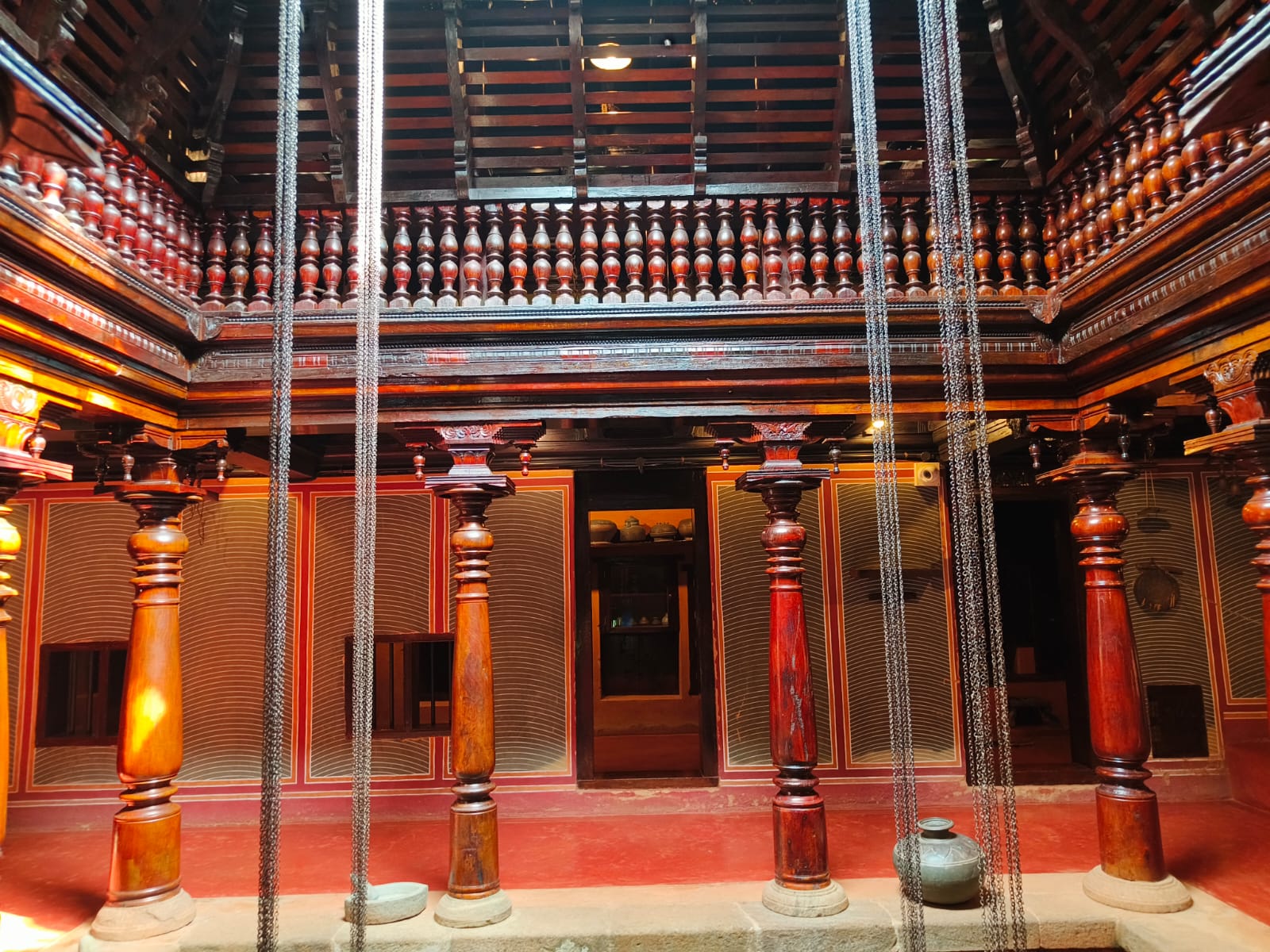
As the walk through Hasta Shilpa Heritage Village Museum continued, we reached some of the most personal and historically meaningful structures of the entire visit. By this point, the journey had slowed down, but the stories inside these houses made every step worth it 🌿🏠.
Kunjur Chowki Mane (1816)
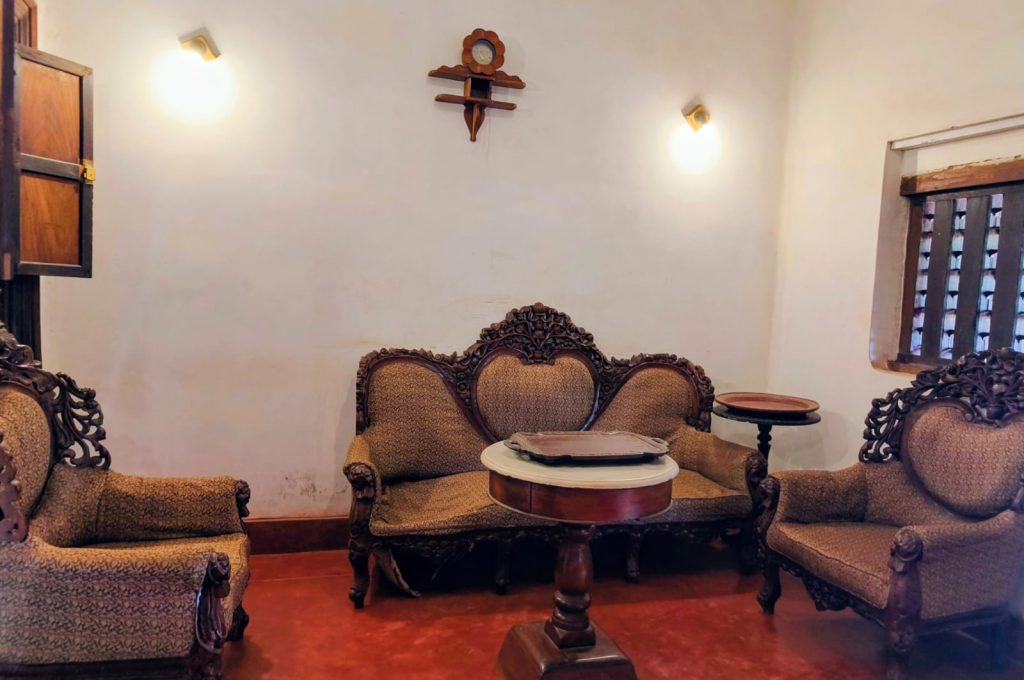
The Kunjur Chowki Mane, built in 1816, holds special importance as it was the first house constructed at Hasta Shilpa Heritage Village. This house originally belonged to a Brahmin family who migrated to Kerala from Kunjur. The priest from this family later moved to serve at the famous Ananta Padmanabha Temple in Thiruvananthapuram.
Inside the house, you can also see the chair used by the founder of Hasta Shilpa Heritage. This was the place where he often sat, observing and monitoring the work happening around the museum, making the house feel even more personal and meaningful.
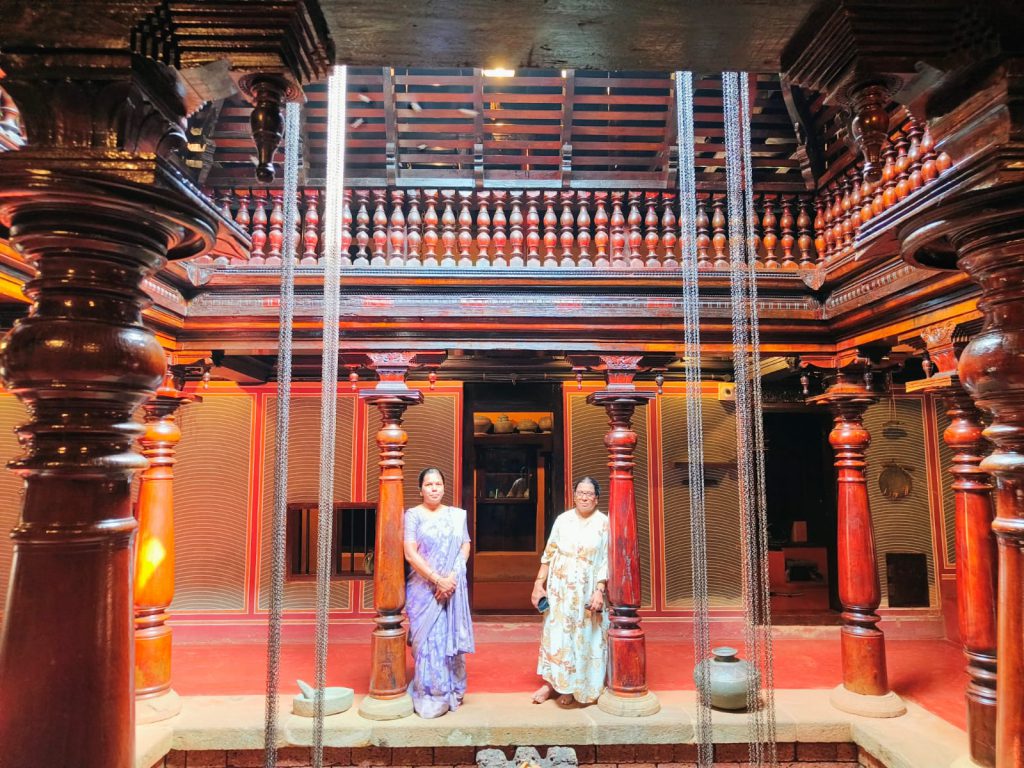
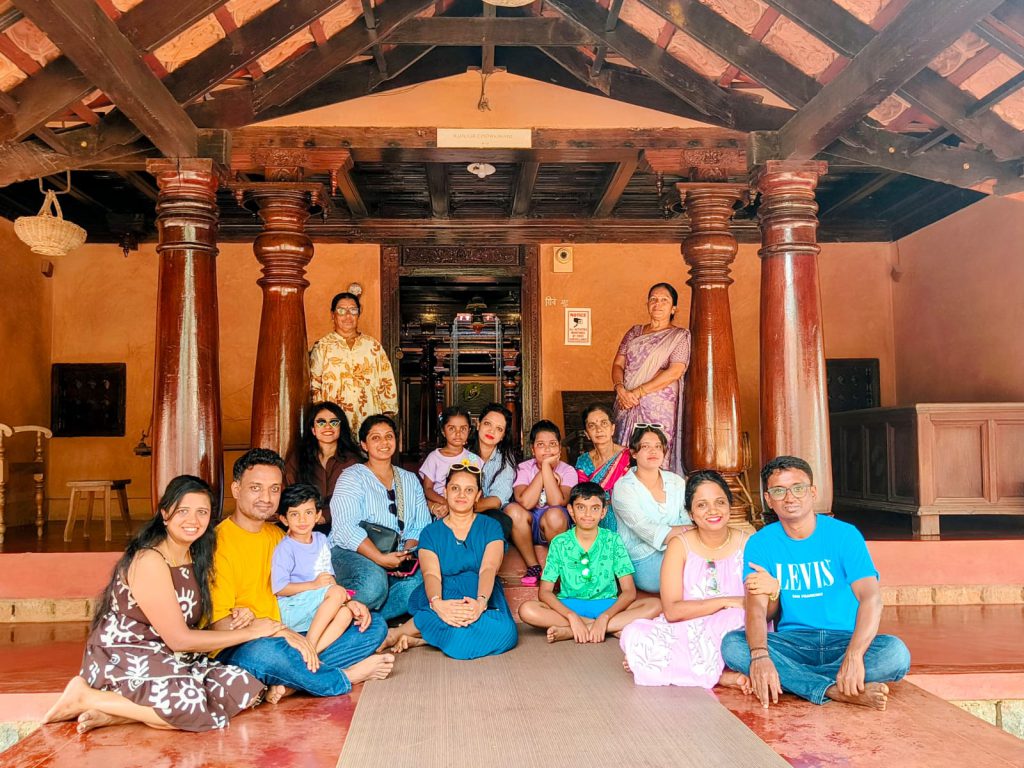
By the time we reached this point, everyone was quite tired after walking for so long. There wasn’t much energy left for photography, and the group was eager to head back. We managed to click one family photo, took a short break, and while others rested, I continued exploring the remaining model houses on my own 📸🙂.
Bhatkal Nawayat House (1805)
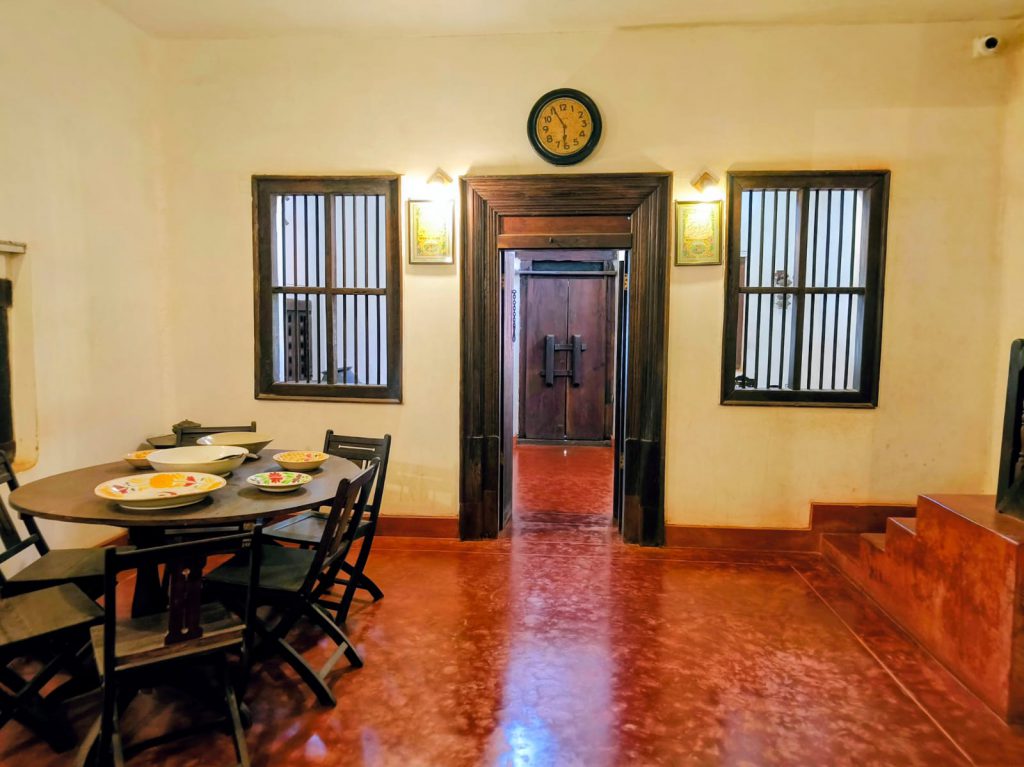
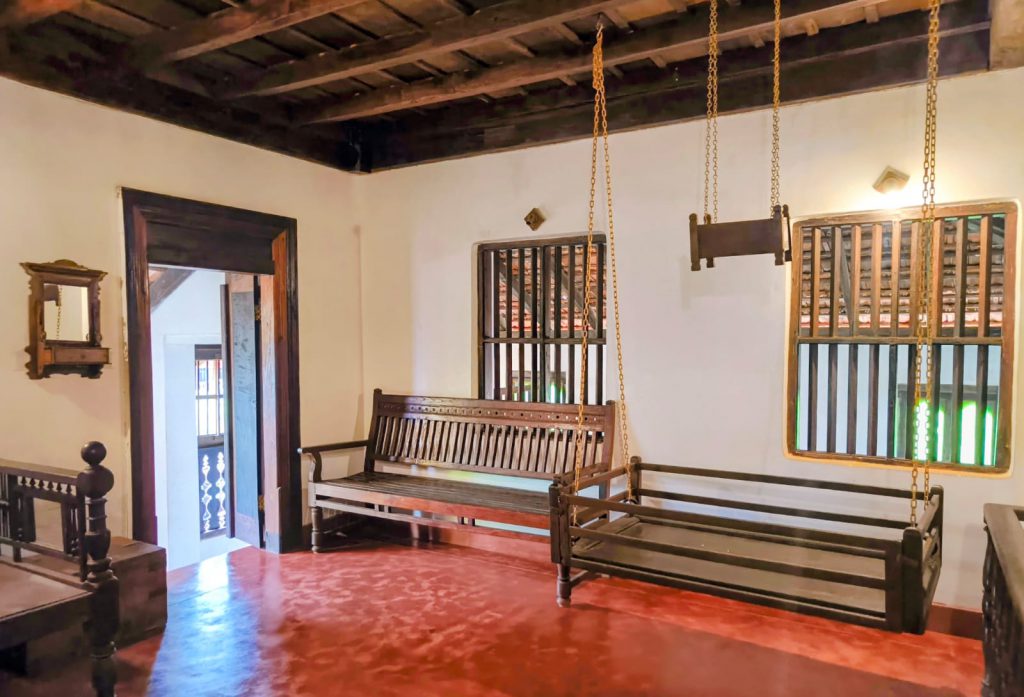
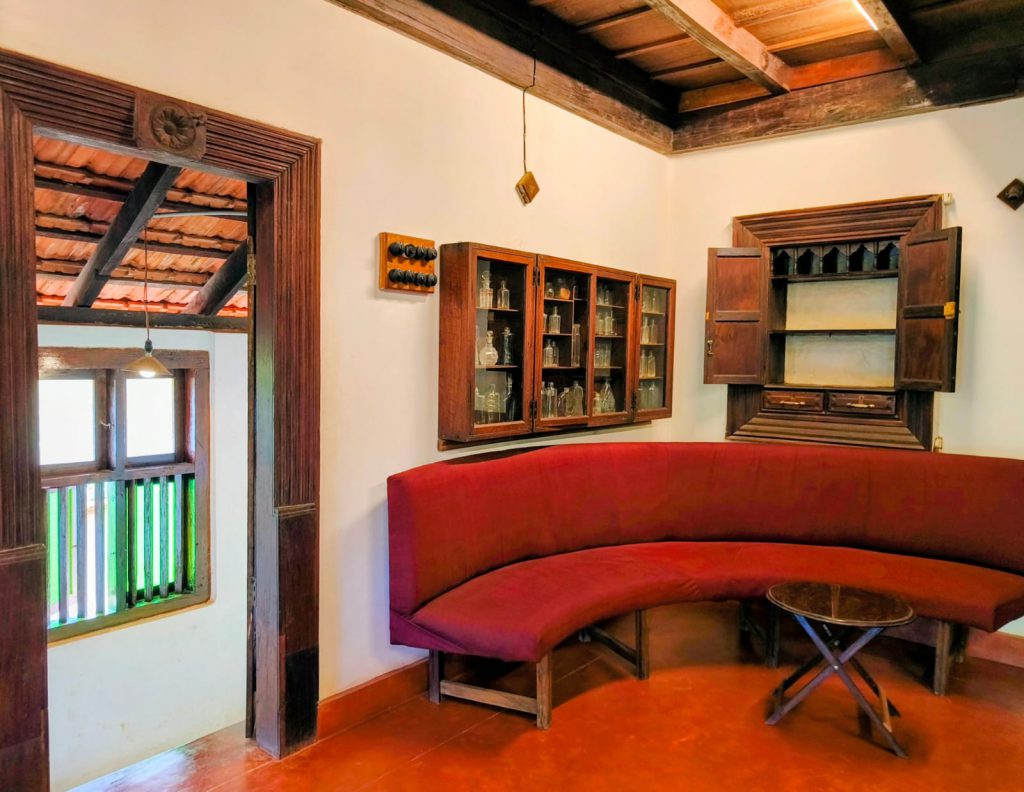
Next was the Bhatkal Nawayat House, built in 1805 and nearly 200 years old—though it hardly looks its age. The house is beautifully maintained and reflects the lifestyle of the Nawayat community.
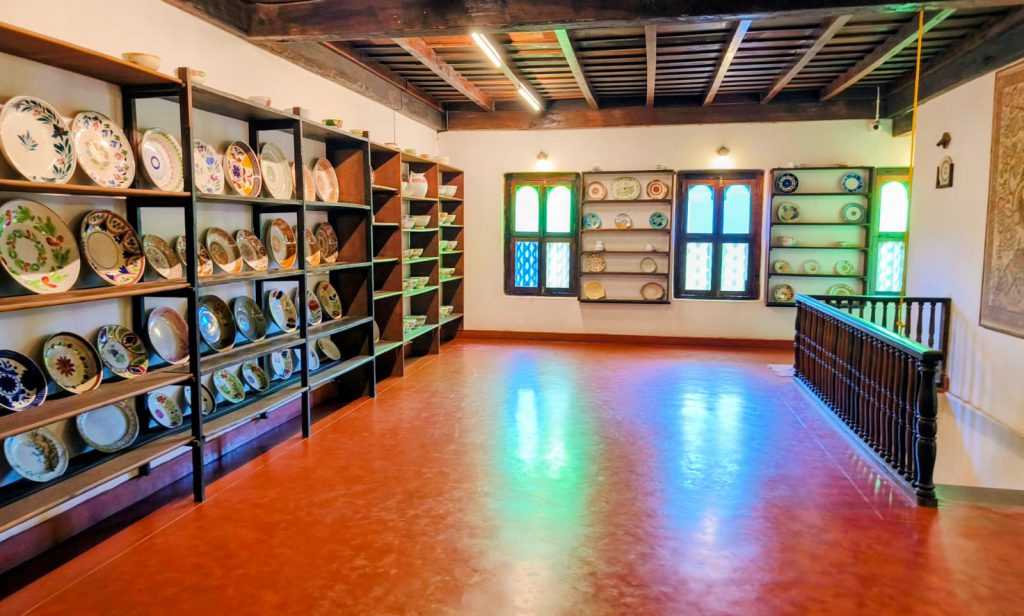
Upstairs, there is an impressive collection of perfume bottles, locally known as attar, along with a rich display of porcelain ware. These items were collected from different countries during their travels, giving a glimpse into their trade connections and refined taste.
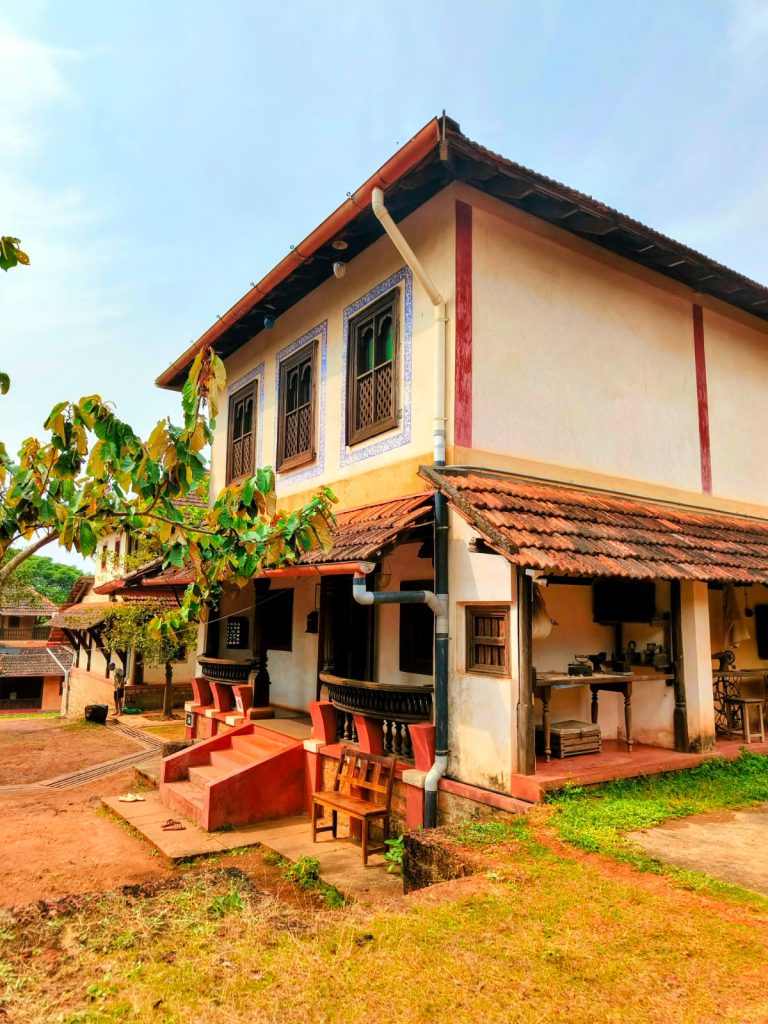
As the day slowly came to an end, these last few houses left a lasting impression. Each structure at Hasta Shilpa tells a unique story—of migration, tradition, and everyday life—making the journey both educational and deeply memorable.
With a few more sections still waiting to be explored, the journey through Hasta Shilpa is far from over. In the next post, I’ll continue uncovering more hidden corners and heritage homes that bring Karnataka’s past to life. Stay tuned! 🌸✨