
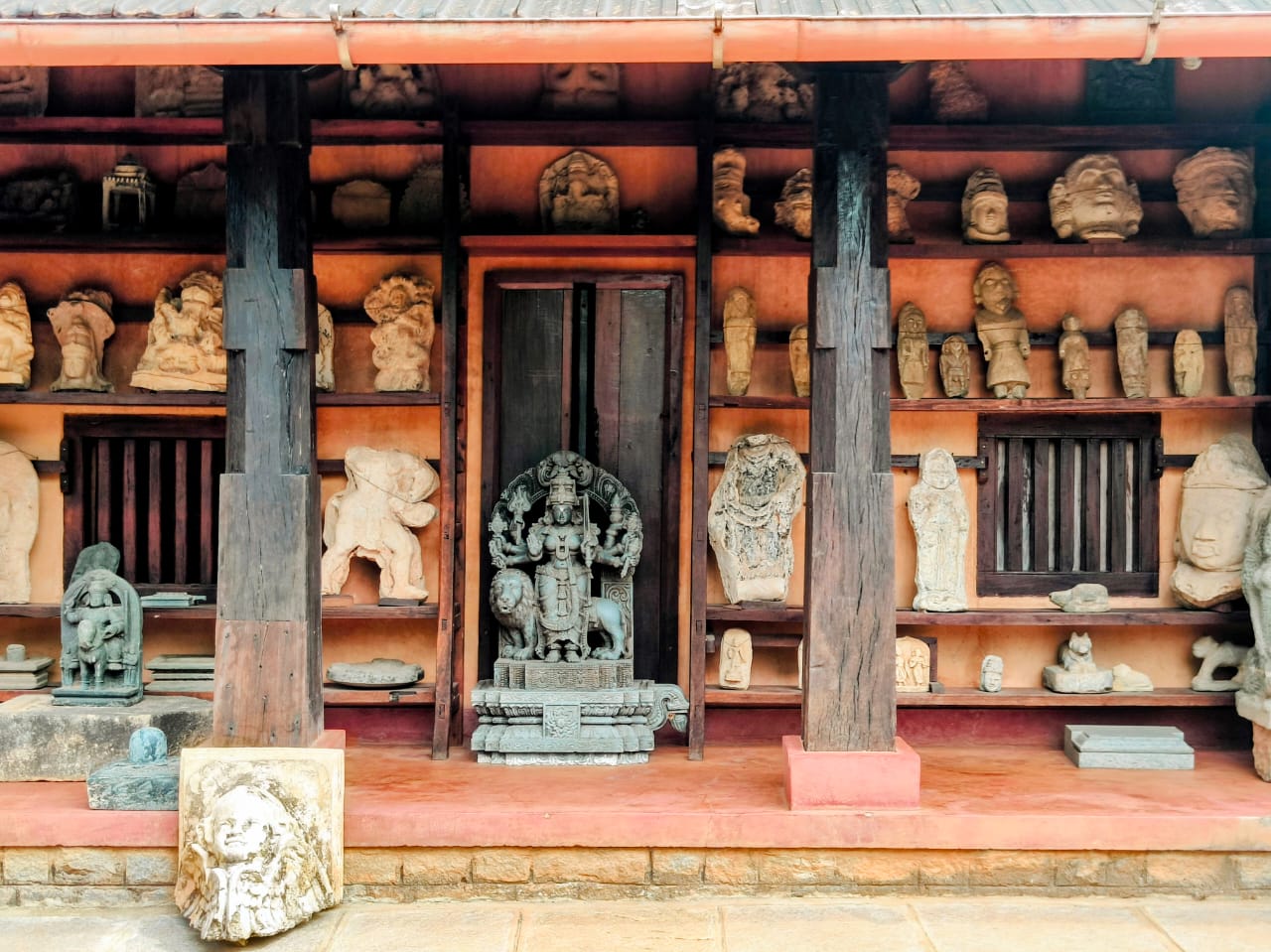
Continuing from the previous post, where I walked through Deccani Nawab Mahal and theMangalo Christian House, this part of the journey takes us a little deeper into Hasta Shilpa Heritage Village Museum. As a travel lover, this section felt especially fascinating because it connects everyday life, tribal culture, and traditional trade practices — all preserved beautifully in one place 🌿🏛️.
Bastar Tribal Arts Section 🎭
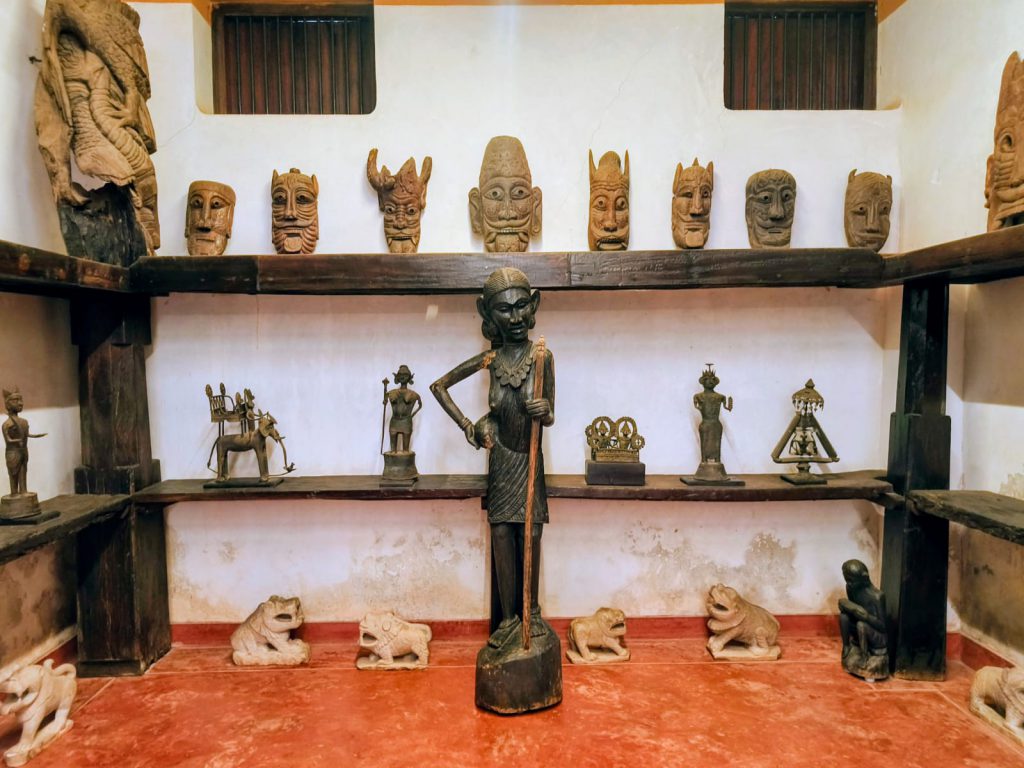
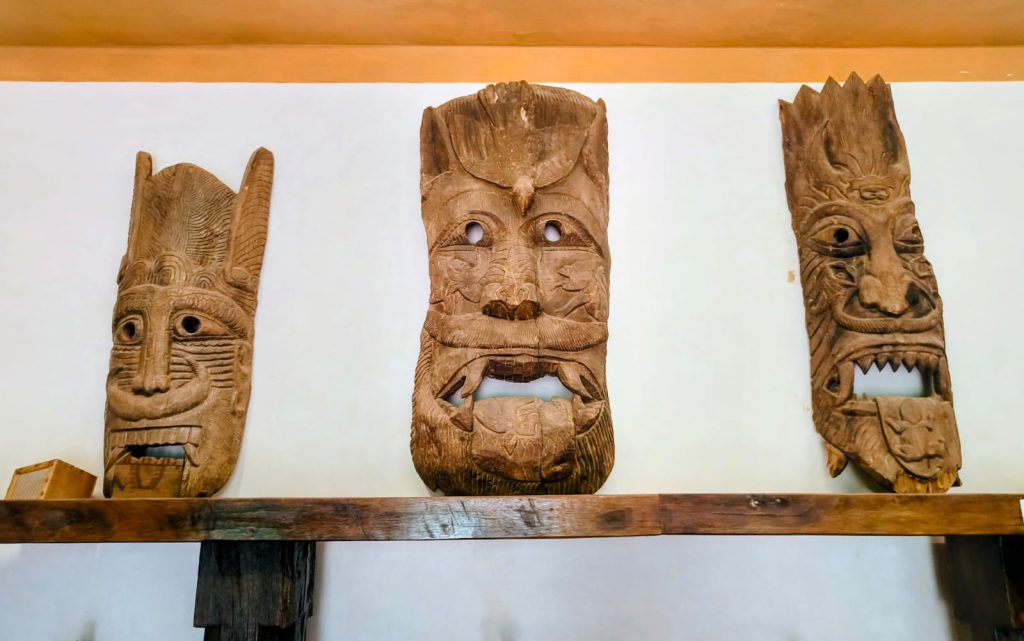
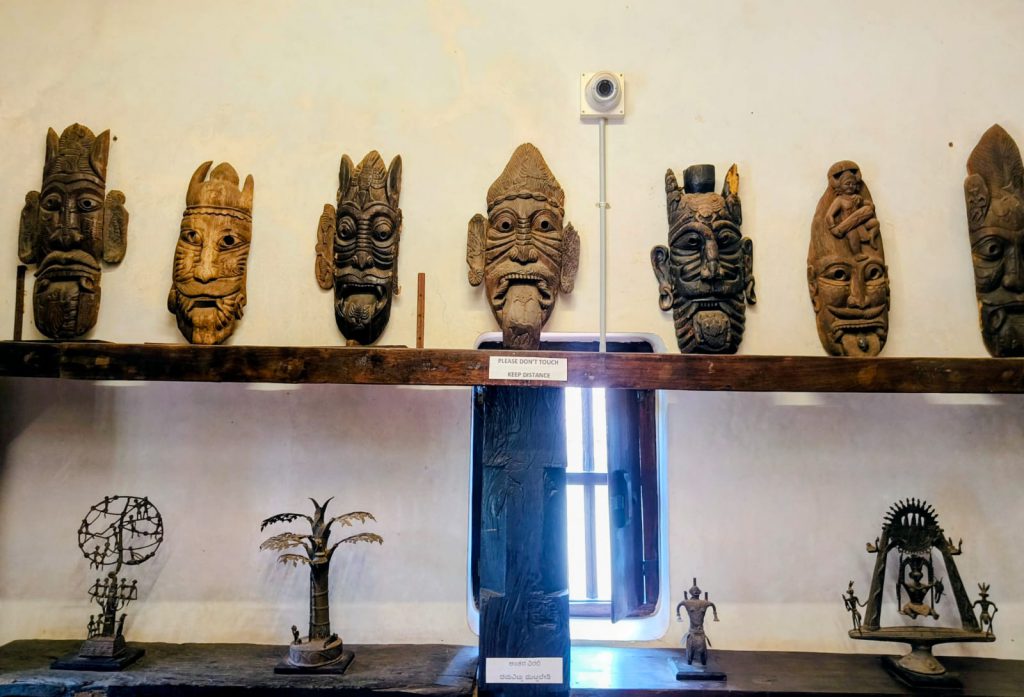
One of the most striking structures here houses a rich collection of wooden masks, bronze artifacts, and stone sculptures. These artifacts belong to the Bastar tribal community from Chhattisgarh in Central India.
At first glance, many of the masks may look similar, but if you observe closely, each mask is unique. The fine details, expressions, and craftsmanship reflect the deep cultural and spiritual beliefs of the tribal people. This section truly shows how art was an important part of their everyday life.
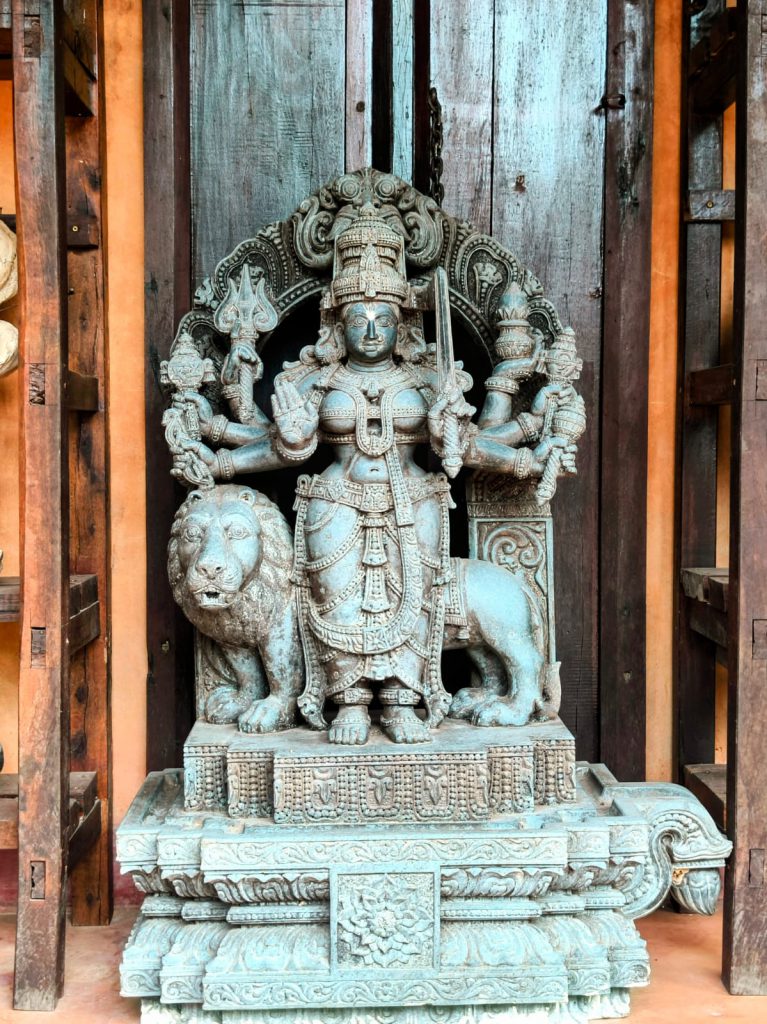
Another important structure here is dedicated to Daiva Aradhane, a traditional form of worship from a nearby place called Hiraka. The main deity represented here is Daiva Arkataya.
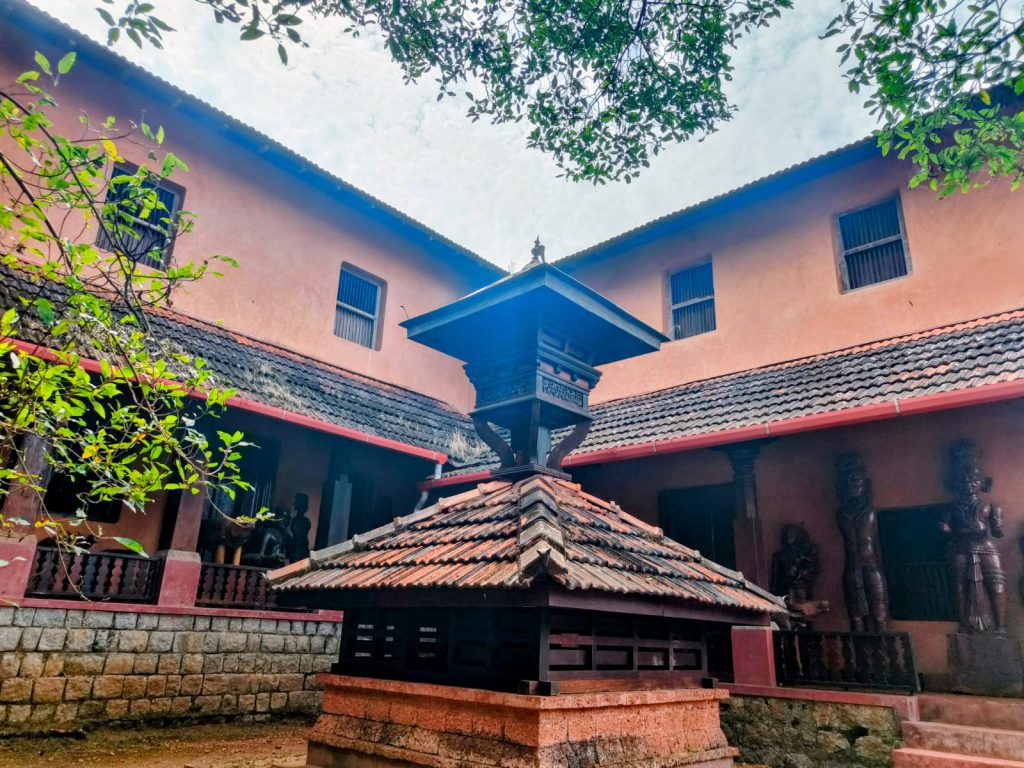
Daivas are considered the Ganas (attendants) of Lord Shiva, and they hold great significance in local folk traditions. This structure usually displays a collection of various Daivas, but unfortunately, it was closed for maintenance during our visit. Even so, learning about the belief system and its importance added depth to the experience.
Hungaracutta Bansaale Mane (1825) 🏠
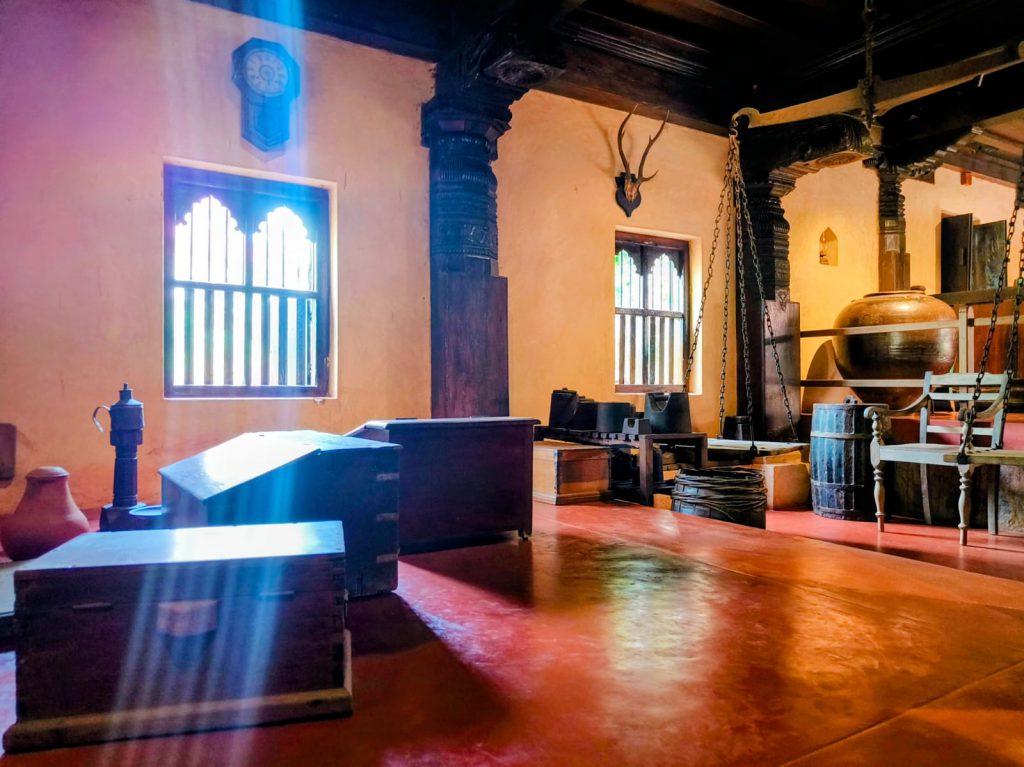
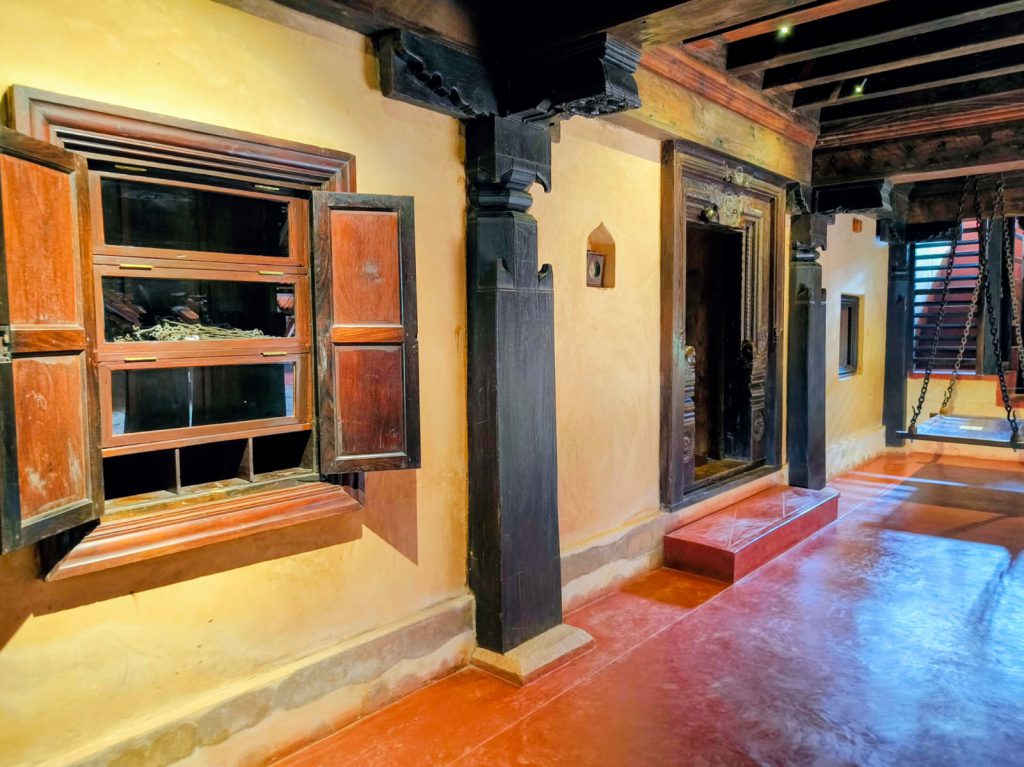
One of the most impressive stops was the Hungaracutta Bansaale Mane, built in 1825. Hungaracutta is a place near Brahmavar, and the word Bansaale refers to a trading house or warehouse.
This large and beautiful trader’s house was once used for reading, writing, and business activities. Inside, you can see old weighing scales and stone weights, which were used to measure goods during trade. The structure gives a clear picture of how organized and important trade was in those days.
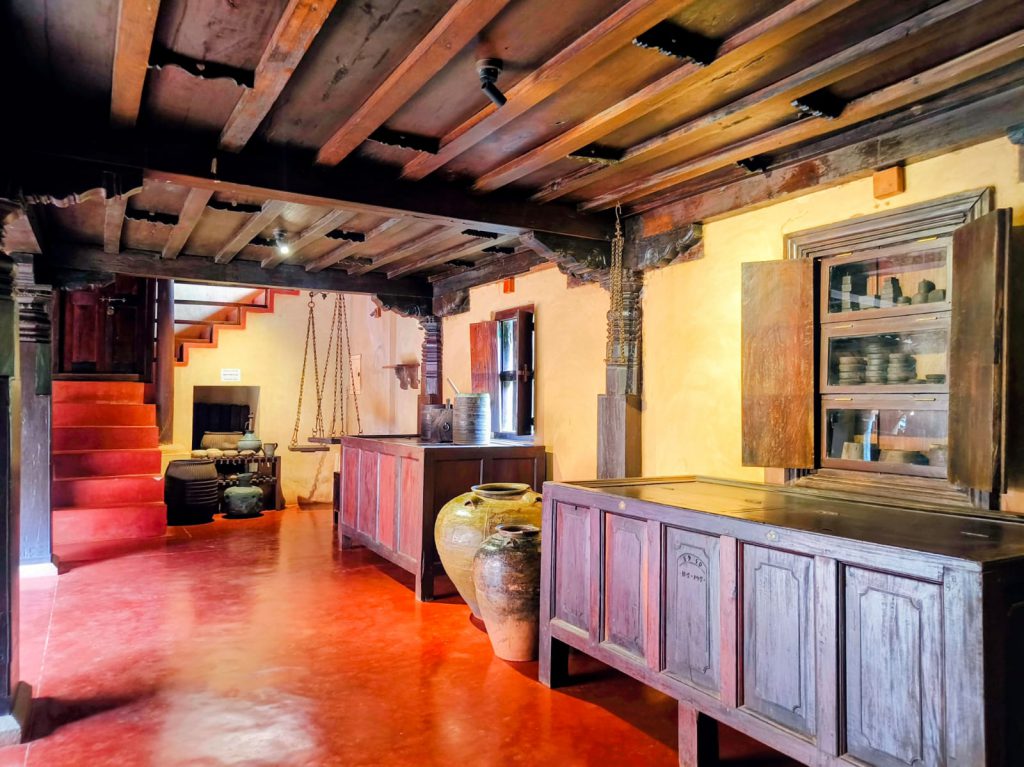
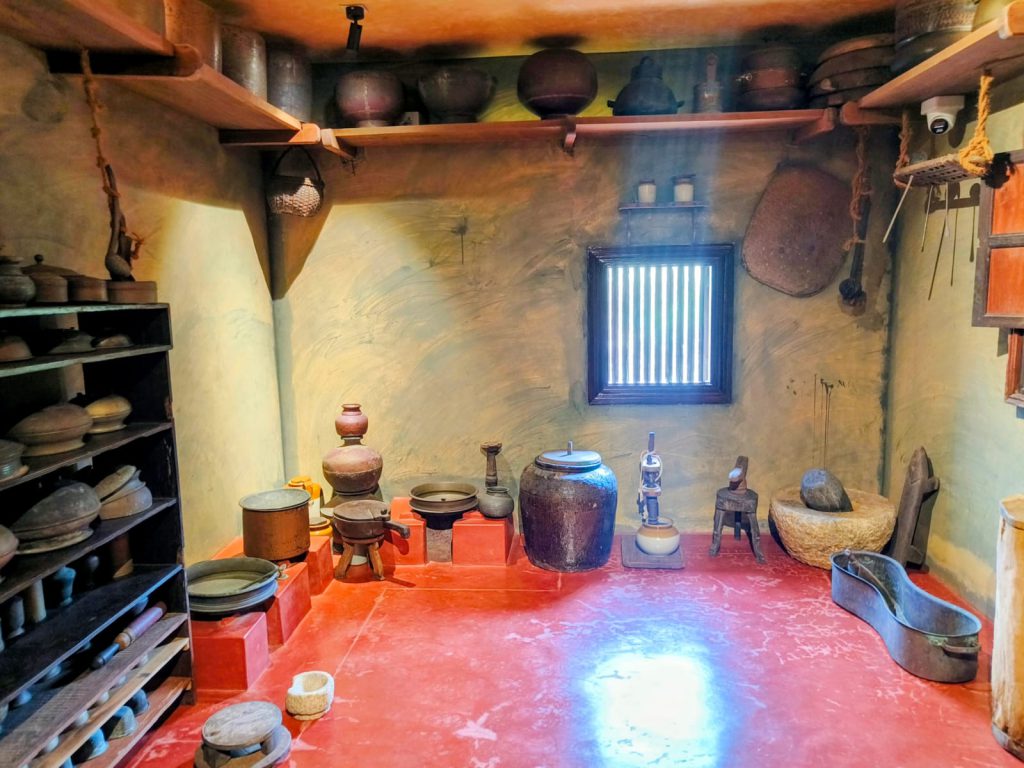
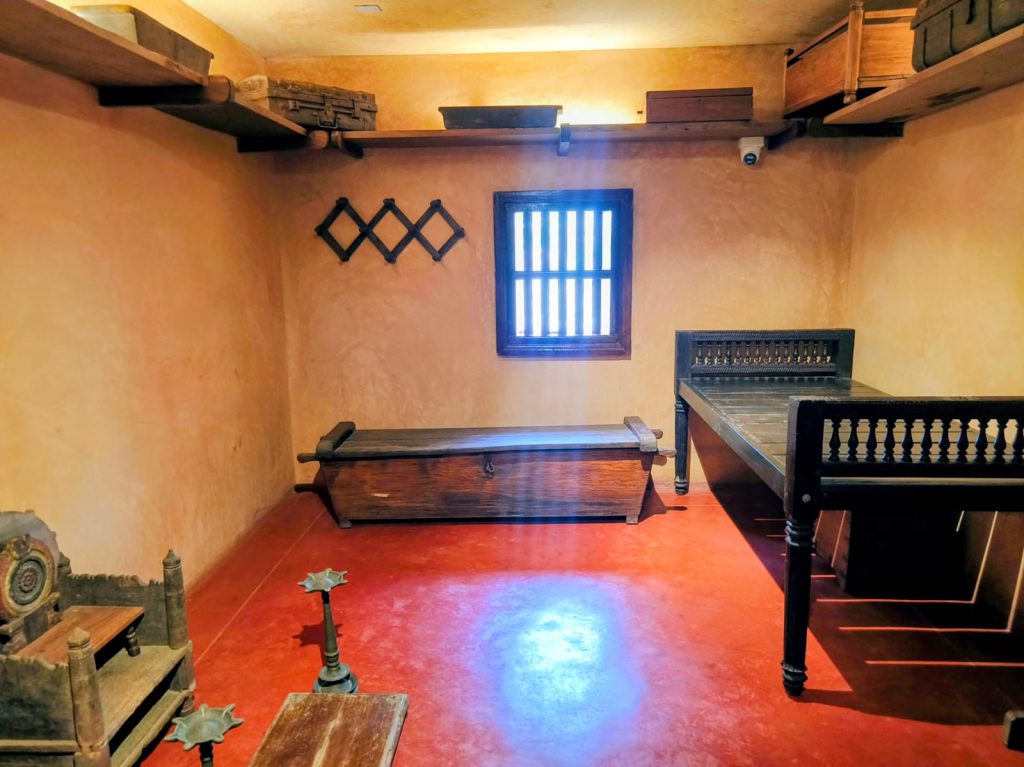
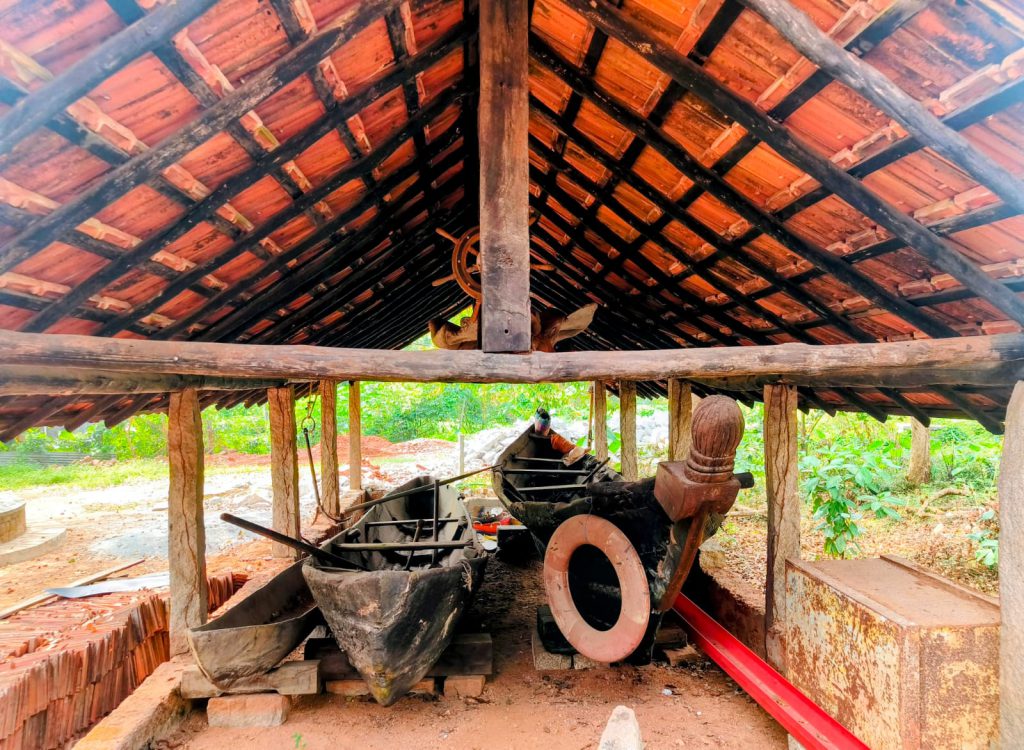
Nearby, you can also see traditional wooden boats that belonged to the Hungar Bansaale family. These boats played a key role in trade. Goods were first brought by large ships and then transferred to these boats to reach inland areas. Seeing these boats helps you imagine how trade and transportation worked long before modern roads and vehicles.
The Nandikeshwara Shrine model resembles the temple located in Shriara village of Udupi. It is a historic temple that houses a fascinating idol believed to be nearly a thousand years old.
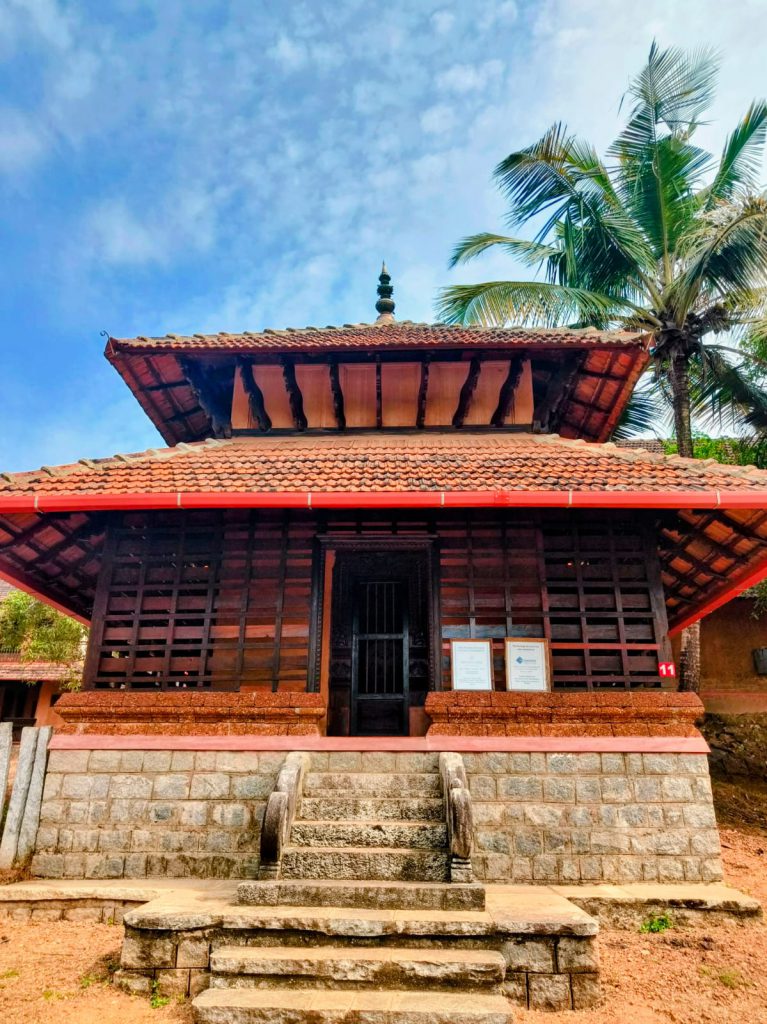
This walk through different sections of Hasta Shilpa once again reminded me how rich and diverse our heritage is. Every structure here tells a story — of art, faith, trade, and daily life.
This is just another step in exploring the many treasures of Hasta Shilpa. In my next post, I’ll continue discovering more model houses and unique structures that reflect the diverse lifestyles and traditions of Karnataka. Stay tuned for the journey ahead! 🌸✨